Pillow Talking: A Font That Elevates Your Brand
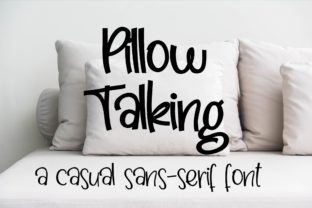
When I first started my small bakery, I was overwhelmed by the sheer number of design choices available. I wanted something that felt personal and warm, but also professional enough to make customers feel confident in their purchase. That’s when I discovered Pillow Talking—a bold, hand-written sans serif font with a casual yet refined feel. It wasn’t just another font; it was the perfect match for my brand’s personality.
Pillow Talking for Bakery Packaging and Product Labels
Pillow Talking is a Script Handwritten font that brings a sense of approachability and charm to any design. For my bakery, it became the go-to choice for packaging labels and product tags. Its casual feel made the labels feel like a handwritten note from a friend, while its bold structure ensured they were easy to read at a glance. Whether it was on a box of cookies or a jar of jam, Pillow Talking helped create a cohesive visual identity that customers remembered.
The two versions—Regular and Lite—offered flexibility. The Regular style worked well for headlines and main text, while the Lite version was ideal for smaller details like ingredient lists or pricing. This versatility made it easy to maintain consistency across all my packaging designs without feeling repetitive.
Pillow Talking for Social Media Graphics and Website Banners
As my business grew, so did my need for consistent branding across digital platforms. Pillow Talking proved to be a game-changer for my social media graphics and website banners. Its clean lines and friendly curves added a touch of personality without overwhelming the viewer. I used it for headlines, call-to-action buttons, and even as a decorative element in my Instagram stories.
One of the biggest advantages of using Pillow Talking online is its readability on mobile screens. While some fonts can look cluttered on smaller devices, Pillow Talking maintains clarity and impact. This made it easy to create eye-catching posts that still communicated my brand message effectively.
Pillow Talking for Menus and Café Design
When I decided to open a café, I knew the menu needed to reflect both the quality of the food and the warmth of the space. Pillow Talking fit perfectly into this vision. Its casual yet stylish appearance gave the menu a friendly vibe, while its bold structure ensured that each item was clearly visible.
I paired Pillow Talking with a clean sans serif font for the body text, creating a balance between personality and professionalism. This font pairing not only enhanced readability but also reinforced the idea that my café was both welcoming and trustworthy. Customers began to associate the font with the overall experience, which helped build loyalty over time.
Pillow Talking for Brand Identity and Visual Consistency
Typography plays a crucial role in how a brand is perceived. Pillow Talking helped me establish a strong visual identity that extended beyond just the physical products. From business cards to thank-you notes, the font became a signature element of my brand. It created a sense of familiarity that made customers feel like they were part of a community rather than just making a purchase.
Using Pillow Talking consistently across all touchpoints—from packaging to social media—helped reinforce my brand’s personality. It wasn’t just about looking good; it was about building trust and recognition. Over time, I noticed that customers were more likely to return because they associated the font with a positive experience.
Pillow Talking for Handmade and Boutique Products
Whether you run a boutique, sell handmade goods, or offer personalized items, Pillow Talking can help elevate your brand. Its Script Handwritten style adds a personal touch that resonates with customers who value authenticity and craftsmanship. I’ve used it on boutique tags, product mockups, and even as a decorative accent on packaging.
For small labels and tags, the Lite version of Pillow Talking works best. It maintains the same charm without being too heavy, making it ideal for delicate or minimalist designs. Pairing it with a modern sans serif font can create a balanced look that feels both trendy and timeless.
Pillow Talking for Digital Assets and Creative Projects
As a small business owner, I rely heavily on digital assets to reach my audience. Pillow Talking has been a valuable asset in creating everything from email templates to promotional flyers. Its versatility allows it to work seamlessly in both print and digital formats, ensuring that my brand looks great no matter where it appears.
Before using any font commercially, I always check the included styles, file formats, and licensing options. Pillow Talking offers a range of weights and alternates, making it easy to adapt to different design needs. Its multilingual support and ligatures also add an extra layer of customization that’s perfect for creative projects.
Ultimately, choosing the right font can make all the difference in how your brand is perceived. Pillow Talking isn’t just a font—it’s a tool that helps small businesses like mine stand out in a crowded market. With its Script Handwritten style and versatile charm, it’s the perfect choice for anyone looking to enhance their brand visuals with a touch of personality and professionalism.