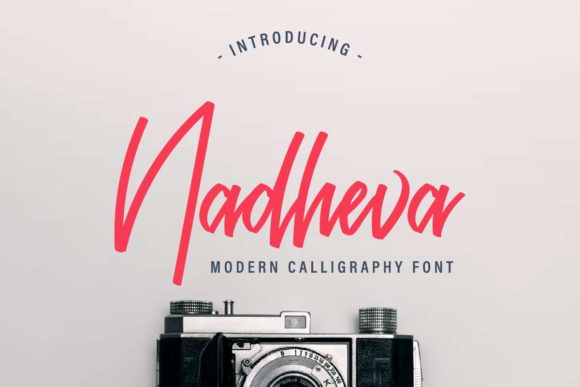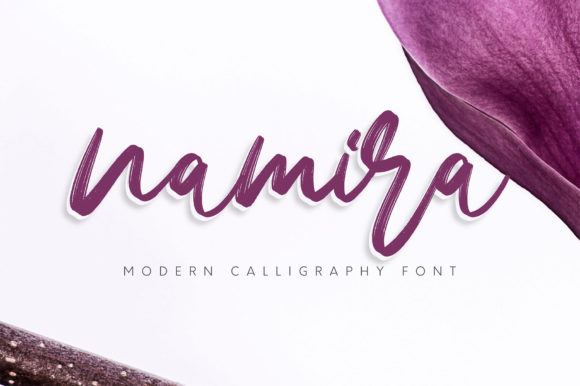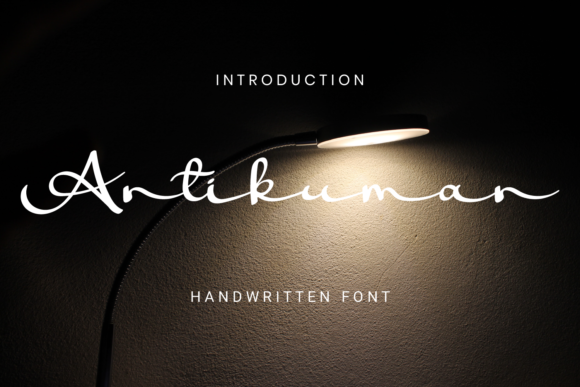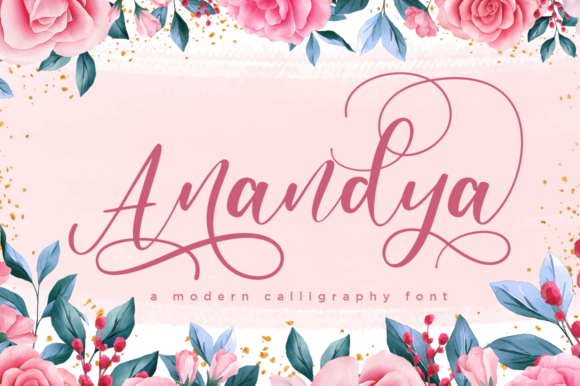
Cellotype: A Flowing Handwritten Font for Timeless Branding
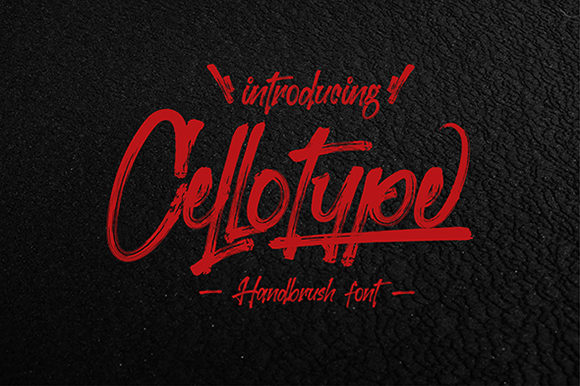
As a small business owner who’s designed everything from coffee bag labels to Instagram story templates, I know how much weight a single font carries in shaping how customers perceive your brand. Cellotype is a flowing handwritten font — not stiff or overly ornate, but graceful, confident, and quietly refined. Its elegant touch gives handmade goods, boutique services, and lifestyle brands an instant layer of authenticity and care. When you choose Cellotype, you’re choosing a Script Handwritten typeface that feels personal without sacrificing polish — the kind of Fonts that make customers pause, remember, and trust.
Cellotype for Wedding Invitations and Elegant Branding
If your business serves engaged couples — whether you're a stationer, florist, planner, or photographer — Cellotype adds warmth and intentionality to every printed piece. Unlike generic script fonts that blur together, Cellotype is a flowing handwritten font with subtle variation in stroke weight and natural rhythm, making it ideal for names, dates, and delicate accents on invitations, menus, and signage. It pairs beautifully with a clean sans serif (like Montserrat or Inter) for body text — letting Cellotype shine as your display font while keeping information highly legible. Because it’s a Script Handwritten font built for real-world use, it holds up well on letterpress paper, foil-stamped envelopes, and digital RSVP cards — all while reinforcing your brand’s calm, elevated aesthetic.
Cellotype for Product Labels and Handmade Packaging
Whether you’re bottling small-batch tonics, wrapping artisan soaps, or labeling ceramic mugs, your packaging is often the first physical interaction customers have with your brand. Cellotype works exceptionally well here — its timeless style signals craftsmanship and attention to detail. As a Script Handwritten font, it avoids looking mass-produced or AI-generated, which matters deeply to shoppers seeking authenticity. Use Cellotype for product names, scent descriptions, or short origin stories on jars, tags, and boxes. For readability at small sizes (think 8–10pt on a 2oz candle label), stick to bold or medium weights and avoid tight letter spacing. Always test print samples — Cellotype maintains clarity even when scaled down, but pairing it with a simple, high-contrast sans serif for ingredients or legal text ensures compliance and legibility.
Cellotype for Café Menus and Local Business Signage
Your café menu isn’t just functional — it’s part of the experience. Cellotype is a flowing handwritten font that brings personality to chalkboard specials, laminated lunch menus, and takeout bags without overwhelming the eye. It reads clearly at arm’s length on wall-mounted boards and translates well to digital kiosks or QR-code-linked web menus. Because it’s expressive yet restrained, Cellotype helps local businesses like bakeries, florists, and wellness studios stand out in crowded neighborhoods — not through loudness, but through quiet confidence. As one of the most versatile Fonts in the Script Handwritten category, it supports seasonal updates (think “Summer Berry Tart” or “Holiday Spice Latte”) while keeping your visual language cohesive across seasons.
Cellotype for Social Media Graphics and Instagram Story Templates
In a feed full of stocky sans serifs and overused brush scripts, Cellotype cuts through with distinction. Its elegant touch makes quotes, launch announcements, and limited-edition drops feel intentional and human — especially when layered over soft textures, natural light photos, or minimalist backgrounds. Since Cellotype is a flowing handwritten font, it performs well in vertical formats: use it for headline text in Stories (18–24pt), overlay text on Reels thumbnails, or as a custom sticker in Canva templates. Just avoid using it for long captions or small interface text — reserve Cellotype for moments where you want emotional resonance, not dense information. And yes — it’s fully compatible with commercial design tools like Adobe Creative Cloud, Figma, and Canva (via upload), making it easy to integrate into your existing workflow.
Cellotype for Logo Design and Brand Identity Systems
Your logo sets the tone for everything else — and Cellotype is strong enough to anchor a full brand identity. While many script fonts crumble when scaled or simplified, Cellotype is a flowing handwritten font with balanced proportions and open counters, meaning it converts cleanly to embroidery, vinyl cutouts, and favicon-sized icons. Use it for wordmarks (especially for names with lyrical flow — “Luna & Sage,” “The Wild Fern,” “Haven Co.”), monograms, or signature-style lockups. Pair it thoughtfully: combine Cellotype with a neutral serif (like Lora) for print collateral or a friendly geometric sans (like Poppins) for websites and emails. This contrast creates hierarchy, professionalism, and flexibility — exactly what growing small businesses need.
Cellotype for Thank-You Cards and Customer-Facing Touchpoints
The last impression often matters most. Handwritten-style fonts like Cellotype are uniquely effective for thank-you cards, order confirmations, and packaging inserts — because they mimic the warmth of a real note. As a Script Handwritten font, Cellotype feels personal without requiring actual handwriting (which can vary in quality or accessibility). Use it sparingly: on the greeting line (“Thank you, Sarah!”), a short closing (“With gratitude,”), or a branded tagline. Avoid overusing it in body copy — instead, lean on a clean, readable font for instructions or policies. And always verify licensing: Cellotype is a commercial font, so ensure your license covers physical products, digital templates, and client-facing deliverables before rolling it out across your shop, website, or wholesale materials.