Amitany for Creative Branding and Web Design
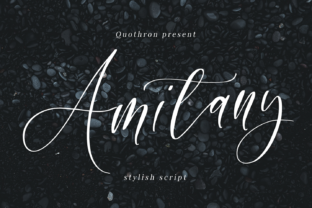
While working on a boutique online store redesign, I found myself stuck on the typography choices. The client wanted something that felt both elegant and approachable, something that could carry the brand’s story with warmth and confidence. That’s when I stumbled upon Amitany—a Script Handwritten font that immediately caught my eye. Amitany feels equally lovely and strong, and makes a great addition to any craft library. It wasn’t just the visual appeal that stood out; it was how Amitany balanced personality with readability, making it a perfect fit for the project.
Amitany for Brand Headers and Hero Sections
Amitany is a Script Handwritten font that brings a unique charm to website headers and hero sections. When I first tested Amitany in the hero section of the boutique site, it made an immediate impact. The font’s flowing lines and subtle serifs gave the page a sense of sophistication without overwhelming the user. Amitany feels equally lovely and strong, and makes a great addition to any craft library—especially when you need a font that can handle both branding and readability.
I paired Amitany with a clean sans-serif font for the body text, creating a contrast that highlighted the brand’s identity while ensuring legibility. On desktop screens, Amitany looked graceful, but I also checked its performance on mobile. The font rendered well even at smaller sizes, which is crucial for responsive web design. Amitany’s versatility made it ideal for headers, subheadings, and call-to-action buttons, where it added a touch of personality without sacrificing clarity.
Amitany for Blog Headers and Editorial Content
When designing a blog header for a creative portfolio, I needed a font that could reflect the writer’s style while maintaining professionalism. Amitany, being a Script Handwritten font, offered the right balance. Its elegant curves and consistent weight made it suitable for both short phrases and longer headings. Amitany feels equally lovely and strong, and makes a great addition to any craft library—whether you’re crafting a personal blog or a professional editorial site.
I used Amitany for the main title of the blog, and it worked beautifully against a light background. The font’s natural flow complemented the content’s tone, making it feel more personal and engaging. However, I also considered how Amitany would look on dark backgrounds and image overlays. While it performed well, I recommended using it sparingly in such contexts to avoid reducing readability. Amitany is best suited for decorative accents, headlines, and key messages rather than large blocks of text.
Amitany for Landing Pages and Campaigns
For a campaign landing page, the goal was to create a visually appealing yet functional layout. Amitany came into play as the primary display font. Its Script Handwritten style added a handcrafted feel that aligned with the campaign’s theme. Amitany feels equally lovely and strong, and makes a great addition to any craft library—perfect for projects that require a blend of creativity and clarity.
I used Amitany for the headline and subheadings, ensuring it didn’t overpower the message. The font’s legibility on both light and dark backgrounds made it adaptable for different design scenarios. I also paid attention to spacing and alignment, making sure Amitany integrated smoothly with other design elements. For the CTA buttons, I opted for a simpler sans-serif font to maintain contrast and improve scanning behavior. This pairing helped guide users through the conversion funnel effectively.
Amitany for Digital Brand Kits and Logo Design
When developing a digital brand kit for a small business, I needed a font that could serve multiple purposes. Amitany, with its Script Handwritten style, became the go-to choice for logo design and brand assets. Amitany feels equally lovely and strong, and makes a great addition to any craft library—offering both elegance and strength in one typeface.
The font’s versatility allowed me to use Amitany for the company name, tagline, and promotional banners. I also explored its alternate weights and styles to ensure consistency across different platforms. Amitany’s ability to adapt to various formats made it an excellent choice for a cohesive brand identity. Whether it was a social media graphic or a downloadable brand kit, Amitany provided a unified visual language that reinforced the brand’s personality.
Amitany for Responsive Web Design and Mobile Optimization
With the rise of mobile browsing, I made sure to test Amitany’s performance on smaller screens. The font rendered well even at smaller sizes, maintaining its character without becoming too cramped. Amitany feels equally lovely and strong, and makes a great addition to any craft library—especially for designers who prioritize accessibility and user experience.
I also considered how Amitany would perform on fast-loading pages. Since it’s a premium font, I ensured that the webfont version was optimized for quick loading. This meant checking file formats, weights, and licensing details before implementing it on live websites. Amitany’s availability in multiple weights and styles made it easy to adjust for different design needs, whether it was a product landing page or a course sales page.
Amitany for Font Pairing and Visual Hierarchy
Font pairing is a critical part of any web design project, and Amitany offers a great foundation. As a Script Handwritten font, it works well with sans-serif fonts for body copy, creating a clear visual hierarchy. Amitany feels equally lovely and strong, and makes a great addition to any craft library—providing a balance between decorative and functional typography.
I paired Amitany with a modern sans-serif font like Montserrat for the body text, ensuring readability while allowing the header to stand out. This combination created a clean, professional look that enhanced the overall user experience. Amitany’s unique style made it perfect for highlighting key messages, while the sans-serif font provided a reliable base for longer content. This pairing proved effective in improving engagement and guiding users through the design layout.